Taping & Drywall
Drywall Taping.
Flat joints, straight corners, and a surface that takes paint the way it should.
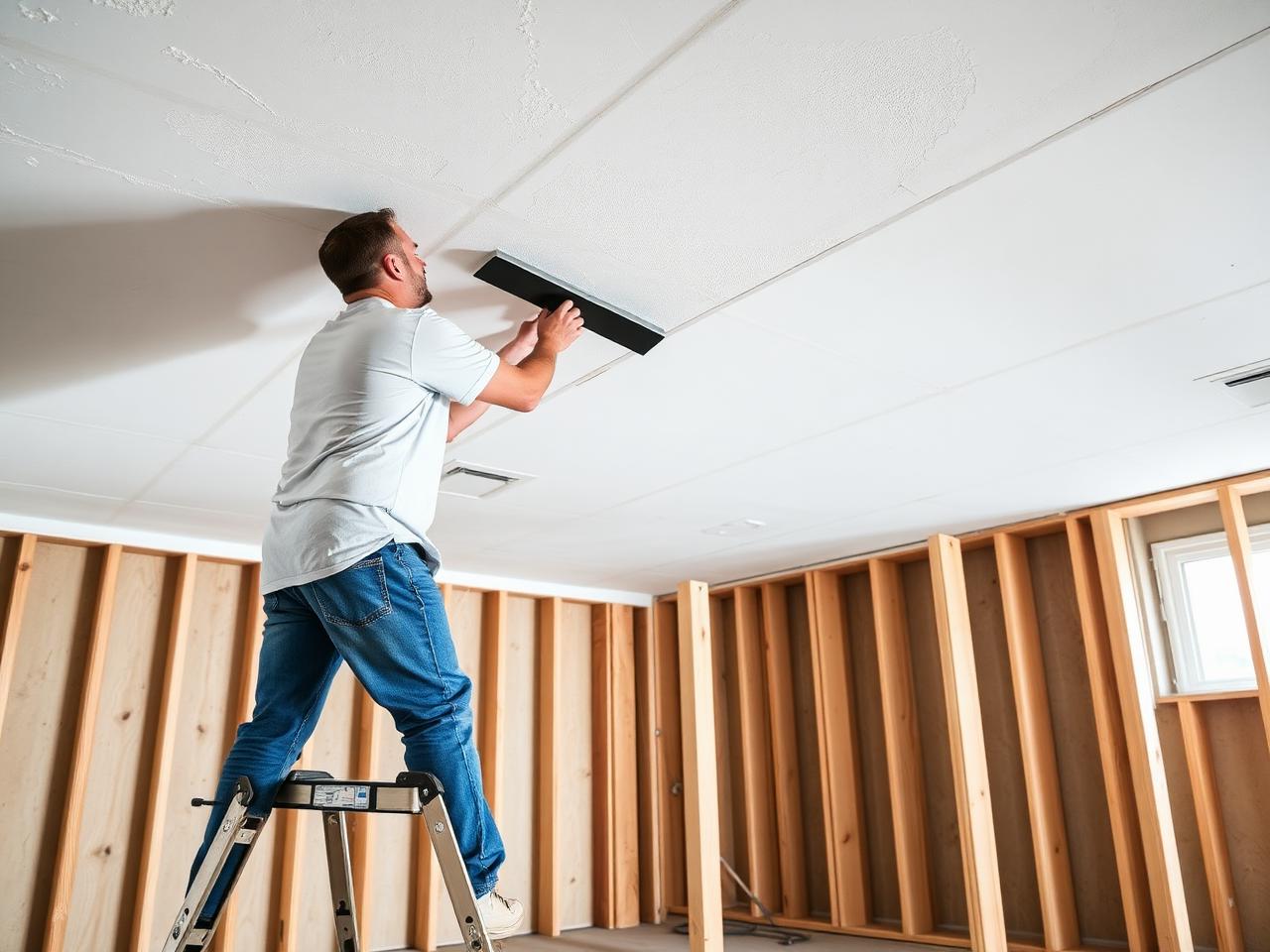
On the job
Real work from Durham Region homes and job sites.
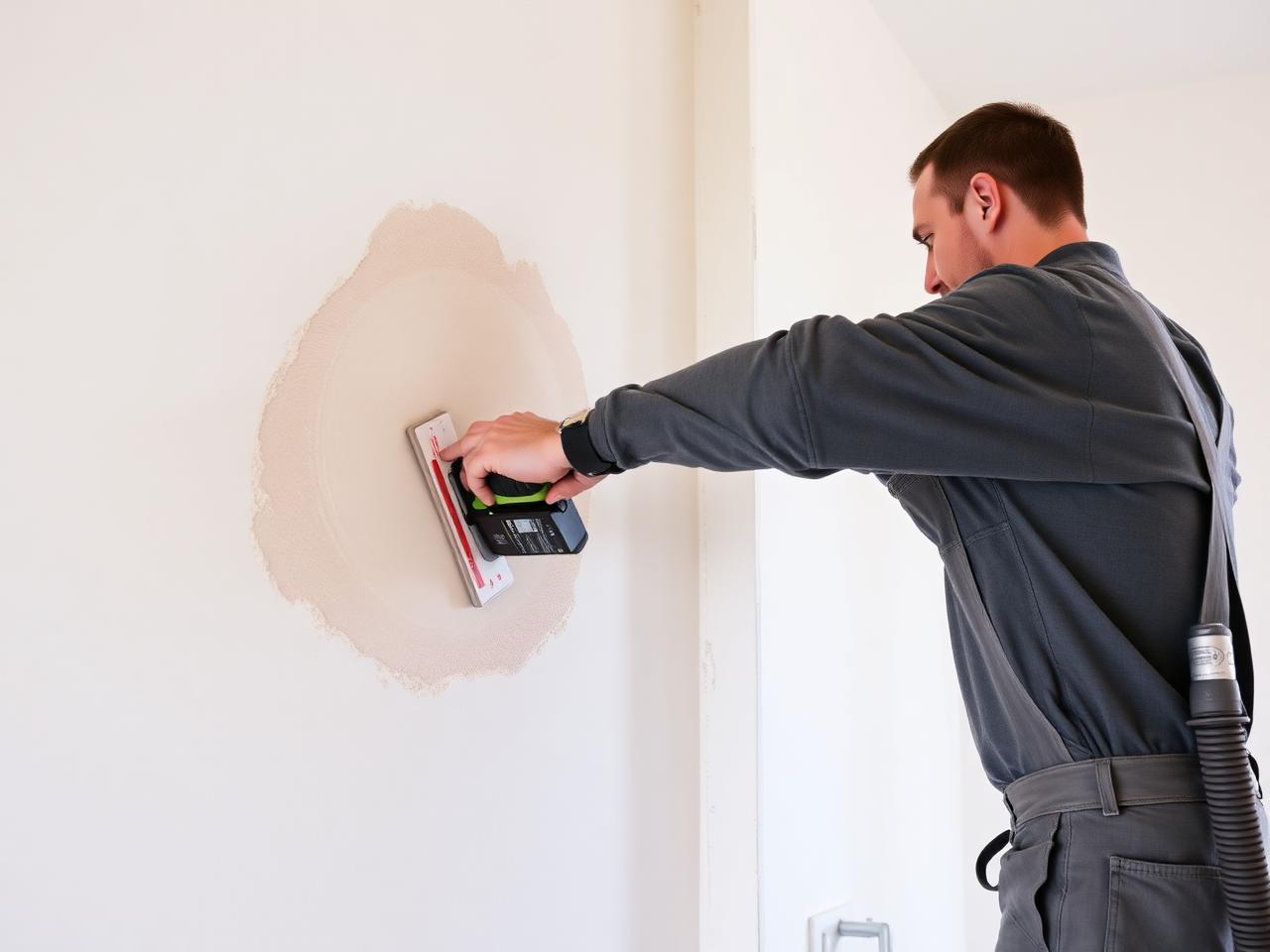
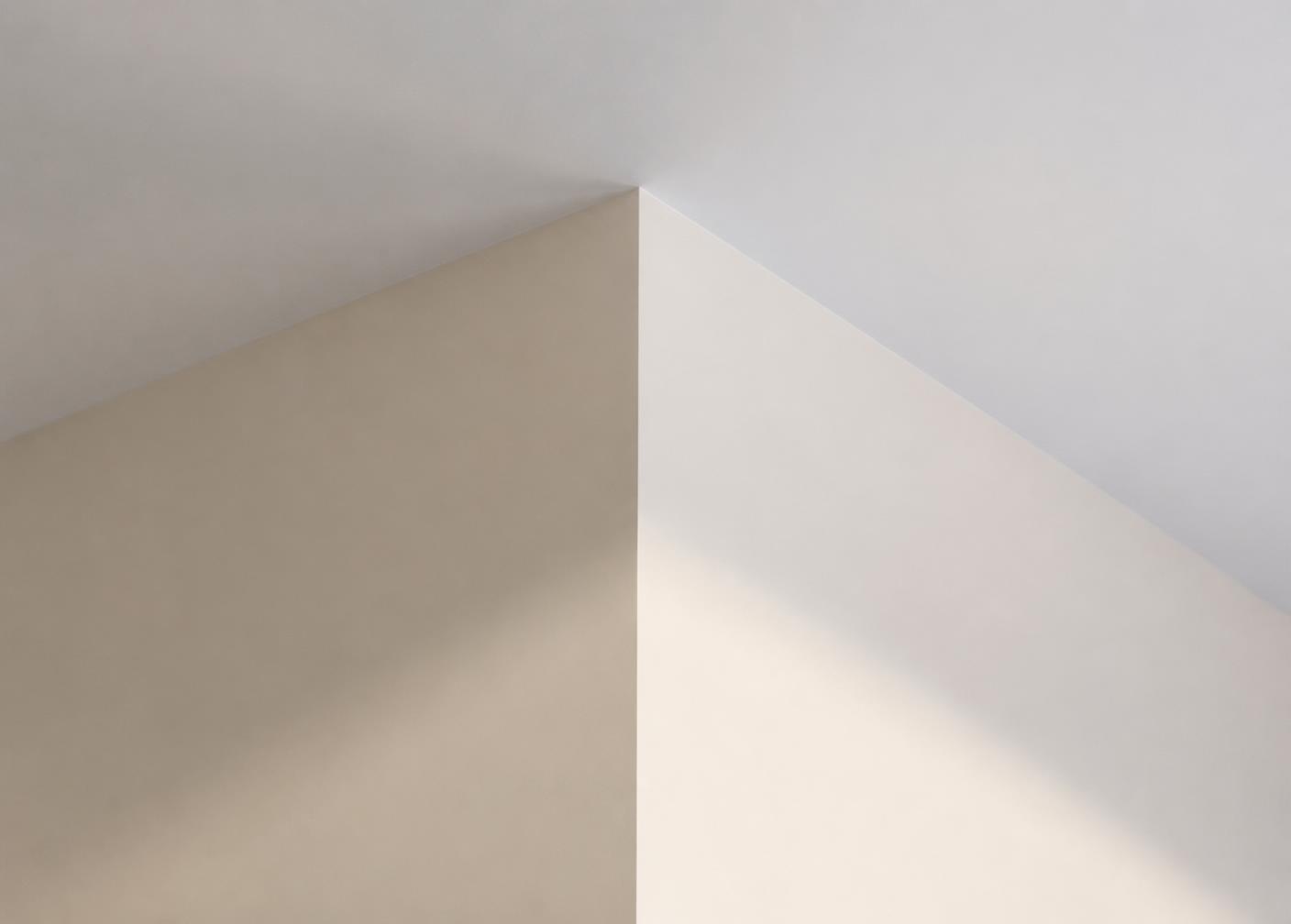
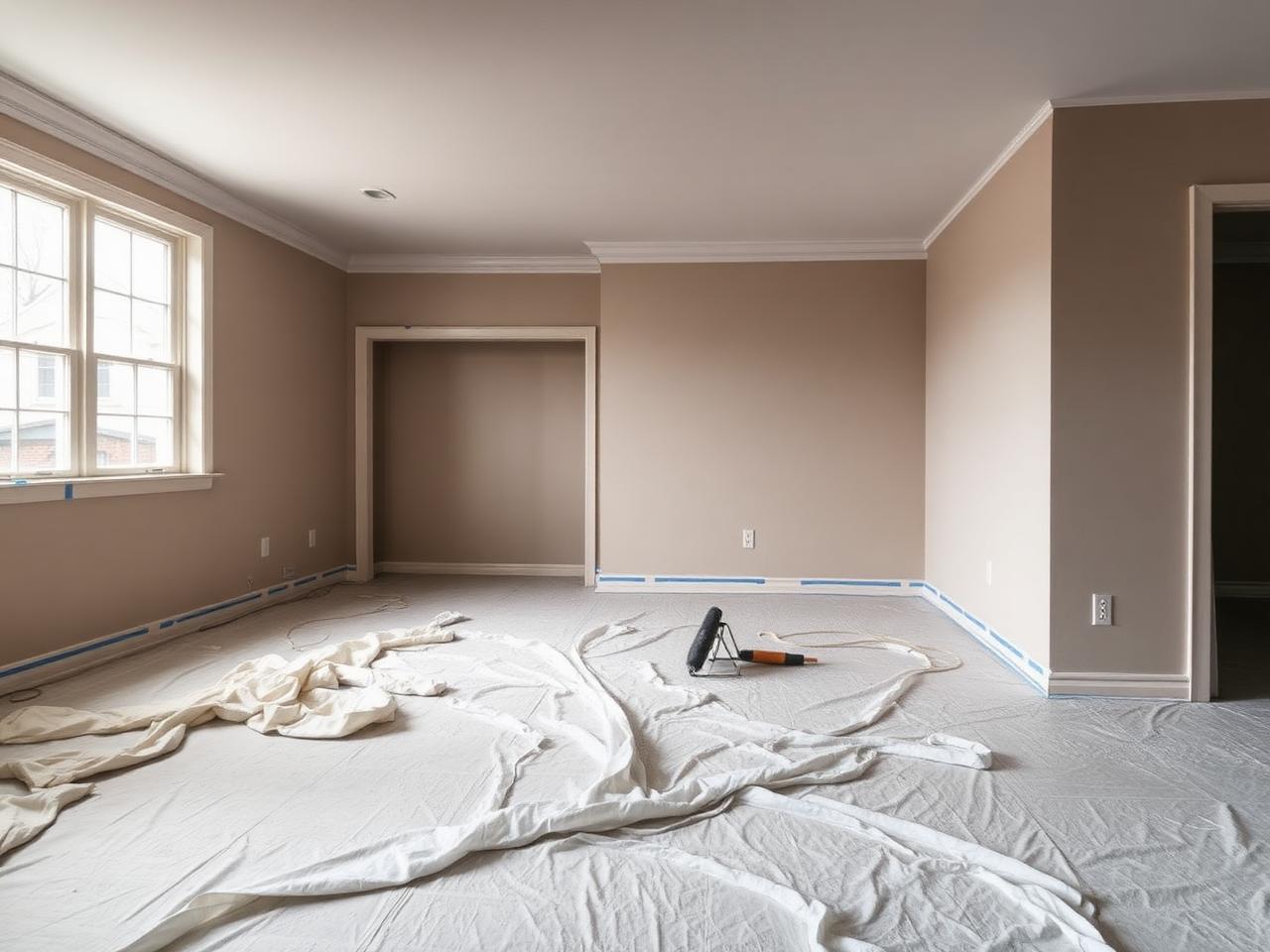
Taping is the part of a renovation nobody sees and everybody notices. A poorly taped wall shows every seam the moment afternoon light rakes across it, and no amount of paint will hide it.
We tape by hand and by machine depending on the job, running a full three-coat system on every seam, screw line and corner before anything gets sanded.
What's included
- Board inspection and screw-line correction before mud goes on
- Paper tape on flats and butt joints, mesh where structural movement is expected
- Metal, paper-faced or vinyl corner bead sized to the opening
- Three-coat system: tape coat, fill coat, finish coat
- Butt joints feathered wide to eliminate humps
- Vacuum-assisted pole sanding with minimal airborne dust
The details
Hand taping vs. machine taping
Machine taping (banjo or automatic taper) is faster and ideal for large, open new-build areas. Hand taping gives more control on repairs, tight closets, angles and heritage work. Most Durham homes get a mix of both — we choose based on the space, not on what's quicker for us.
Finish levels explained
Level 3 suits heavy texture, level 4 is the standard for flat and eggshell paint, and level 5 adds a full skim coat for gloss, dark colours or big windows. We tell you which level your walls actually need instead of upselling every room.
Butt joints and framing movement
Butt joints are the most common source of visible seams. We feather them 24–30 inches wide and, where framing allows, back-block them so the joint sits slightly recessed. Seasonal movement in Ontario homes is real — the detailing has to allow for it.
Common questions
How long does taping take?
A typical basement takes three to five working days with drying time between coats. Rushing coats is the number one cause of cracking, so we schedule around the mud, not the calendar.
Do you tape over existing drywall?
Yes. We regularly re-tape failed seams, cracked corners and old repairs, blending into the surrounding wall so the patch disappears.
How much dust will there be?
We use vacuum-assisted sanders, plastic containment and floor protection. There is always some dust, but you should not be cleaning your house for a week.